Journal

How to leave the house when you really don't want to

You said yes on Tuesday. It's now Saturday at 6pm, the sofa has won twice this week, and you're 80% sure you're about to cancel. This isn't about willpower. It's about lowering the cost of the next 20 minutes.

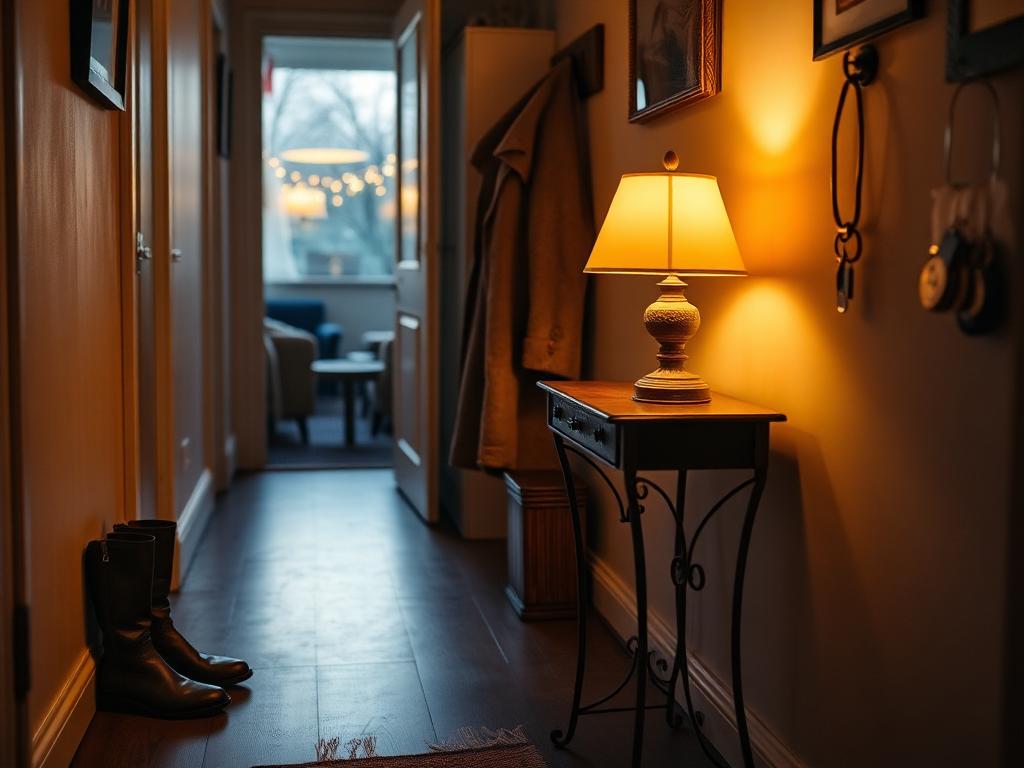
Boots by a London flat hallway door lit by a warm lamp at dusk

Why is it so hard to leave the house even when I want to go?

Because the brain weighs the immediate cost (getting changed, the tube, small talk) against a delayed benefit (maybe a nice evening). Tiredness, low mood, and uncertainty all tilt the scale further. It's not laziness — the maths is just stacked against you.


What's the smallest first step that actually works?

Lower the bar to something almost insultingly small: put your shoes on. Stand by the front door. Walk to the end of the road. Once you're moving, the rest is much easier than your sofa-brain is telling you.

Should I just push through low mood and go anyway?

Usually yes, with one caveat: most people feel better after going, but if you're in real distress (not just tired or anxious), rest is fine and a professional conversation matters more than any social plan. For ordinary 'ugh, can't be bothered', going almost always beats not going.

How do I make it easier to say yes in the first place?

Pick events that are short (90 minutes), close (under 30 minutes door-to-door), small (you'll be missed if you don't show), and have a defined end time. Big open-ended nights with strangers are the hardest to commit to. Small, structured plans are the easiest.

What if I get there and want to leave?

Then leave. Seriously. 'You can leave whenever' is one of the most underrated permissions in adult life. Knowing that in advance makes saying yes much easier — and almost nobody actually leaves early once they've arrived.

Our events are deliberately small, short, and close to home for exactly this reason. Show up. Leave when you want.